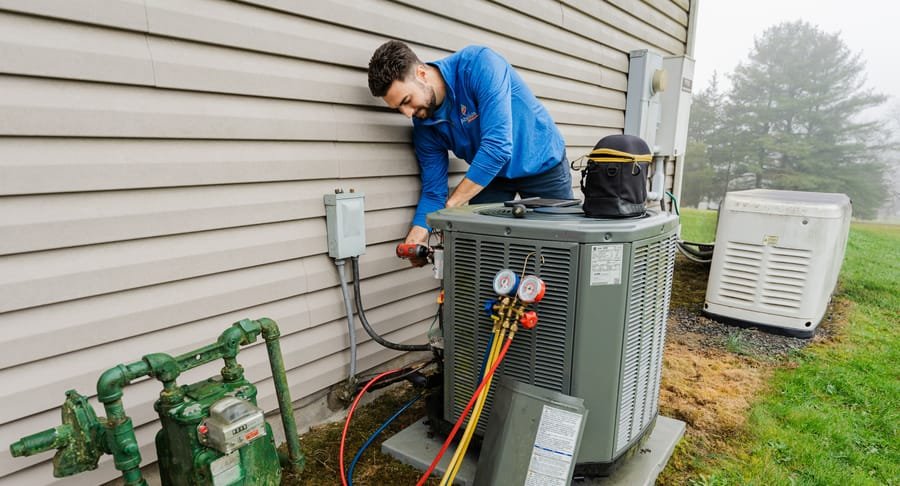

Spring is the ideal time to make sure your air conditioner is ready for the warmer months ahead. After sitting mostly unused through winter, an AC system may need attention before it can handle long stretches of hot weather. Scheduling Pittsburgh air conditioning services can help identify developing problems, improve day-to-day performance, and give you greater confidence when temperatures begin to rise.
A seasonal tune-up is about more than simply switching the system on for the first warm day. A professional inspection can uncover worn components, airflow issues, electrical concerns, or other problems that may become more expensive if left unresolved. Taking care of these details in spring can also make it easier to maintain consistent indoor comfort throughout summer.
Why Spring Is the Right Time for an AC Tune-Up
Your air conditioner may have been inactive for several months, giving dust, dirt, and normal wear time to accumulate. Even a system that worked reliably last summer can develop issues while sitting idle.
A spring tune-up gives a technician an opportunity to evaluate the system before it faces its busiest season. This timing matters because AC problems are often more disruptive when they happen during a heat wave, when repair appointments may be in greater demand.
Getting ahead of potential problems also gives homeowners time to decide how they want to address them. A minor repair in spring may be much easier to manage than an unexpected breakdown in the middle of summer.
What a Professional Tune-Up Should Include
A thorough AC tune-up involves more than checking whether cool air comes from the vents. The technician should assess several parts of the system to make sure everything is operating properly.
Inspecting Electrical Components
Electrical connections, wiring, capacitors, and other components play an important role in safe and reliable AC operation. A technician can inspect these parts for signs of wear, damage, or other issues that could affect performance.
Loose or deteriorating electrical connections can create operational problems and should be addressed before they contribute to a larger failure.
Checking Refrigerant Levels
Refrigerant is essential to the cooling process. If the system has insufficient refrigerant, it may struggle to remove heat from the home effectively.
A professional can check refrigerant levels and look for signs that a leak may be present. Simply adding refrigerant without identifying the underlying issue is not always an adequate solution, so any suspected leak deserves further attention.
Cleaning Coils and Components
Dirt and debris can interfere with heat transfer and reduce system efficiency. The evaporator and condenser coils are particularly important because they are directly involved in the cooling process.
Cleaning accessible components as part of seasonal maintenance can help the system operate more effectively. Outdoor units should also be kept clear of leaves, grass, branches, and other debris that could restrict airflow.
Evaluating Airflow
Good airflow is essential for even cooling. A technician may inspect filters, ductwork, blower components, and other areas that influence how effectively conditioned air moves throughout the home.
If some rooms consistently feel warmer than others, restricted airflow could be one factor worth investigating.
Replace or Clean the Air Filter
One of the simplest maintenance tasks homeowners can handle is checking the air filter. A dirty filter can restrict airflow and make the AC system work harder to circulate air.
The right replacement schedule depends on factors such as the filter type, household conditions, pets, and how frequently the system operates. Instead of waiting for a noticeable drop in performance, check the filter regularly and replace it when it becomes dirty.
A clean filter supports better airflow and also helps reduce the amount of dust moving through the HVAC system.
Take a Look at the Outdoor Unit
Before the cooling season begins, inspect the area around your outdoor condenser. Plants, leaves, grass clippings, and other debris should not be allowed to build up around the unit.
Keep the surrounding area reasonably clear so air can move freely. It is also worth looking for visible signs of damage, such as bent components or unusual corrosion.
Avoid attempting to repair internal components yourself. If something looks damaged or out of place, having a qualified technician evaluate it is the safer approach.
Check Your Thermostat
Your thermostat controls when the AC runs, so it deserves attention during spring preparation. Test the cooling setting and make sure the system responds appropriately.
If you use a programmable or smart thermostat, review the schedule before summer arrives. Updating the settings ahead of time can help ensure the system follows your preferred comfort routine rather than running according to an outdated schedule.
A thermostat with inconsistent readings or an unresponsive display may also warrant professional inspection.
Pay Attention to Warning Signs
Some AC problems are easy to overlook because the system continues running. However, unusual sounds, unpleasant odors, weak airflow, frequent cycling, or inconsistent temperatures can indicate that something needs attention.
Higher-than-usual energy consumption may also be worth investigating, particularly if your household’s cooling habits have not changed significantly.
These signs do not automatically mean that your air conditioner needs major repairs or replacement. They simply indicate that further evaluation may be worthwhile.
Should You Repair or Replace Your AC?
Spring maintenance can also help you think about the longer-term condition of your air conditioner. If the system is relatively new and has a strong service history, repairing a worn component may make sense.
Older systems with frequent breakdowns, declining performance, or increasingly costly repairs may require a different conversation. Replacement can involve a significant upfront investment, so the decision should take into account the equipment’s age, repair history, efficiency, comfort performance, and expected remaining service life.
A professional evaluation can help you understand your options rather than making the decision during an emergency breakdown.
Conclusion
Waiting until temperatures climb to discover that your AC is not working properly can turn a manageable maintenance issue into an urgent repair. Spring provides a useful window to inspect the system, replace the filter, clear the outdoor unit, test the thermostat, and arrange professional maintenance when needed.
A little preparation can help uncover problems early and ensure your cooling system is ready for the demands of summer. More importantly, regular attention gives you a better understanding of your equipment and helps you make informed decisions about repairs, maintenance, and eventual replacement.
With the right preparation, your air conditioner can enter the cooling season ready to deliver dependable comfort when you need it most.