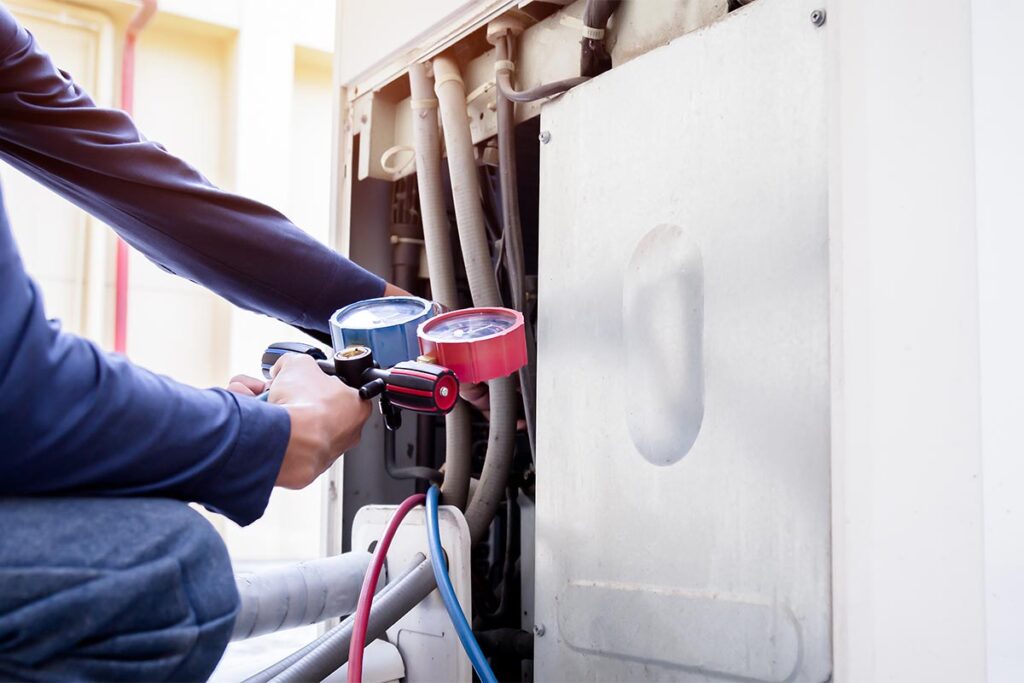

Finding water around your furnace can be alarming. Since furnaces produce heat, many homeowners don’t expect to see moisture collecting near the unit. While a small puddle doesn’t always indicate a major problem, it should never be ignored. Water leaks can lead to damage around the furnace, affect system performance, and, if left unresolved, contribute to larger repair issues.
The source of the leak isn’t always the furnace itself. In many homes, the heating and cooling system shares components, so the moisture could be coming from the air conditioner, a whole-home humidifier, or even the furnace vent. If you’re unable to determine where the leak is coming from, scheduling professional furnace repair Bucks County, PA can help identify the cause and prevent additional damage.
Why Is There Water Around Your Furnace?
Several HVAC components can produce or collect moisture during normal operation. Under the right conditions, that moisture should drain away safely. When something blocks the drainage system, develops a leak, or isn’t working properly, water can begin collecting around the furnace.
Because several different components can create similar symptoms, identifying the exact source is the first step toward solving the problem.
Could the AC Evaporator Coil Be the Cause?
If your furnace is paired with a central air conditioner, the indoor evaporator coil is usually installed directly above the furnace. During the cooling season, this coil removes humidity from the air, creating condensation that drains through a condensate line.
When the Drain Line Becomes Blocked
Over time, algae, dirt, or debris can clog the condensate drain line. When this happens, the water has nowhere to go and may overflow into the furnace area instead.
A blocked drain often causes leaks during the summer when the air conditioner runs frequently. If the leak only appears while the AC is operating, the evaporator coil or condensate drain is often the first place to investigate.
Regular Maintenance Helps Prevent Clogs
Keeping the evaporator coil and condensate drain clean can reduce the risk of overflow. During routine HVAC maintenance, technicians typically inspect and clean these components to ensure moisture drains properly.
Is the Whole-Home Humidifier Leaking?
Many furnaces are connected to whole-home humidifiers that add moisture to the indoor air during the heating season. Like any appliance that uses water, a humidifier can develop leaks over time.
Common Humidifier Problems
Water supply lines, drain tubes, or internal components can wear out or become loose. Mineral buildup may also affect how the humidifier operates, especially in areas with hard water.
If you notice water around the furnace only during the winter, the humidifier may be contributing to the problem.
Small Leaks Can Become Bigger Ones
Even a slow drip can cause damage if it continues for weeks or months. Addressing humidifier issues early helps protect both the HVAC system and the surrounding flooring.
Could the Flue Pipe Be Producing Condensation?
Modern high-efficiency furnaces produce condensation as part of the heating process. Under normal conditions, this moisture drains safely through the condensate system.
However, condensation may also develop around the flue pipe under certain conditions.
Why Flue Condensation Happens
If vent pipes aren’t installed correctly or become damaged, condensation can collect where it shouldn’t. In colder weather, temperature differences between indoor and outdoor air may also increase condensation around portions of the venting system.
Because venting plays an important role in furnace safety, any suspected flue-related issue should be inspected by a qualified HVAC technician.
Don’t Overlook the Condensate Pump
Some HVAC systems use a condensate pump to move collected water to a nearby drain when gravity drainage isn’t possible. If the pump stops working properly, water may back up and collect around the furnace.
Signs the Pump May Need Attention
A faulty condensate pump may cause water to appear near the furnace even when other components are functioning normally. Depending on the system, you might also hear unusual noises or notice the pump failing to activate during operation.
Professional inspection can determine whether the pump is operating correctly or requires repair or replacement.
Could It Simply Be High Indoor Humidity?
In some situations, excess indoor humidity can contribute to moisture around HVAC equipment. While this isn’t the most common cause, it can make existing condensation problems more noticeable.
Why Humidity Matters
Warm, humid air naturally forms condensation when it comes into contact with cooler HVAC surfaces. If your home consistently has high humidity levels, it may be worth having the system evaluated to ensure it’s removing moisture effectively.
When Should You Call an HVAC Professional?
While homeowners can sometimes identify where water appears to be coming from, determining the exact cause isn’t always straightforward. Several HVAC components are located close together, making it difficult to know whether the leak originates from the furnace, air conditioner, humidifier, or drainage system.
Signs the Leak Shouldn’t Be Ignored
If water continues collecting around the furnace after you’ve checked for obvious issues, or if you notice reduced heating or cooling performance, unusual noises, or recurring leaks, it’s time to schedule a professional inspection. Prompt diagnosis can help prevent water damage while protecting important HVAC components from unnecessary wear.
Acting Early Can Prevent Costly Repairs
A small leak today may seem harmless, but ongoing moisture can damage flooring, surrounding materials, and parts of the HVAC system over time. Addressing the issue early is usually less expensive than waiting until more significant repairs become necessary.
Final Thoughts
Water around your furnace isn’t something to ignore, even if your heating system still seems to be working normally. The leak could be coming from the AC evaporator coil, a whole-home humidifier, the condensate pump, or the furnace’s venting system. While some causes are relatively simple to fix, others require professional diagnosis to ensure the system continues operating safely and efficiently.
If the source of the leak isn’t immediately obvious or the problem keeps returning, having your HVAC system inspected by a qualified technician is the best way to prevent further damage. Resolving the issue early can help protect your equipment, improve system reliability, and give you peace of mind throughout the heating and cooling season.