
Living in a humid climate can make indoor spaces feel uncomfortable even when the temperature appears reasonable. Excess moisture in the air often creates a sticky atmosphere, affects indoor air quality, and places additional strain on cooling systems. For many homeowners, managing humidity becomes just as important as managing temperature.
One solution that continues to grow in popularity is installing a whole home dehumidifier in Orange, TX. Unlike portable units that only treat individual rooms, a whole-home system works alongside an HVAC setup to regulate moisture levels throughout the property. This creates a more balanced indoor environment while offering several long-term benefits for comfort, efficiency, and home maintenance.
Why Humidity Levels Matter Indoors
Humidity affects far more than personal comfort. When moisture levels remain too high inside a home, the environment can quickly become unpleasant and difficult to manage.
In humid climates, indoor air often feels warmer than it actually is because moisture prevents sweat from evaporating efficiently from the skin. As a result, homeowners may lower the thermostat more frequently, increasing energy use and placing greater pressure on air conditioning systems.
High humidity can also contribute to:
- Musty odours
- Condensation on windows
- Damp surfaces
- Mould and mildew growth
- Increased allergens in the air
- Warping of wood materials
Maintaining balanced humidity levels helps create a healthier and more stable indoor environment throughout the year.
How a Whole-Home Dehumidifier Works
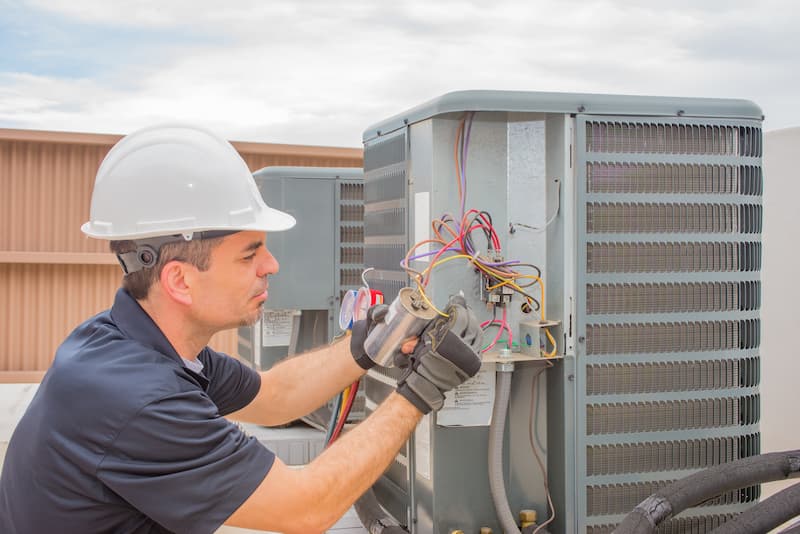
A whole-home dehumidifier is integrated directly into the home’s HVAC system. It removes excess moisture from the air as it circulates through the ductwork, helping maintain consistent humidity levels across multiple rooms.
Unlike portable dehumidifiers, which require regular emptying and only treat limited areas, whole-home systems operate automatically and continuously. Many modern systems allow homeowners to set preferred humidity levels, enabling more precise indoor climate control.
This type of system is particularly useful in regions where humidity remains high for long periods, especially during warmer months.
Improved Indoor Comfort
One of the most immediate benefits of a whole-home dehumidifier is improved comfort. Excess humidity often causes indoor air to feel heavy and sticky, even when air conditioning is running properly.
Reducing moisture levels can make the home feel noticeably cooler without lowering the thermostat excessively. This creates a more comfortable living environment during hot and humid seasons.
Balanced humidity also improves sleeping conditions. Many people find it easier to sleep in cooler, drier air, especially during summer nights when humidity levels tend to rise.
Better Indoor Air Quality
Humidity plays a significant role in indoor air quality. Damp conditions encourage the growth of mould, mildew, and dust mites, all of which can negatively affect respiratory health.
By reducing excess moisture, a whole-home dehumidifier helps limit the conditions that allow these irritants to thrive. This can benefit individuals who experience allergies, asthma, or general sensitivity to poor air quality.
Homes with controlled humidity levels also tend to smell fresher because moisture-related odours become less common. This can make indoor spaces feel cleaner and more pleasant overall.
Many homeowners researching ways to improve indoor comfort eventually explore options such as a whole home dehumidifier in Orange, TX because of the year-round challenges associated with humid weather conditions.
Reduced Strain on HVAC Systems
Air conditioners naturally remove some moisture from the air during operation, but they are primarily designed for cooling rather than humidity control. In extremely humid climates, cooling systems may need to work harder and run longer to maintain comfortable indoor conditions.
A whole-home dehumidifier supports the HVAC system by handling moisture removal separately. This allows the air conditioner to focus more efficiently on temperature control.
Potential advantages include:
- Shorter cooling cycles
- Reduced wear on HVAC components
- More stable indoor temperatures
- Improved overall system performance
Over time, reducing unnecessary strain may help extend the lifespan of heating and cooling equipment.
Protection for Furniture and Building Materials
Excess humidity can gradually damage various materials inside a home. Wood flooring, furniture, cabinetry, and trim may absorb moisture and begin to warp, swell, or crack over time.
Humidity can also affect:
- Paint finishes
- Wallpaper adhesion
- Electronics
- Musical instruments
- Stored clothing and fabrics
Maintaining stable indoor humidity levels helps preserve these materials and reduces the likelihood of long-term moisture-related damage.
This protection becomes particularly important in regions where humidity remains consistently high for much of the year.
Energy Efficiency Benefits
When indoor humidity is controlled properly, homeowners often feel comfortable at slightly higher thermostat settings. Because drier air feels cooler, there may be less need to overuse air conditioning during warmer weather.
This can contribute to lower energy consumption and more efficient household cooling. While results vary depending on the home and climate, improved humidity management often supports better overall energy performance.
Energy efficiency also becomes more important as homeowners look for practical ways to manage rising utility costs without sacrificing comfort.
A More Consistent Indoor Environment
Portable dehumidifiers can help in small areas, but they rarely provide balanced moisture control throughout an entire property. Some rooms may remain damp while others feel dry or uncomfortable.
A whole-home system creates more consistent humidity levels across the house. This helps eliminate moisture imbalances between rooms and improves comfort throughout shared living spaces, bedrooms, and storage areas alike.
Consistency is especially valuable in larger homes where humidity can vary significantly from one area to another.
Choosing the Right System
Not every home requires the same dehumidification capacity. Factors such as property size, insulation quality, ventilation, and regional climate all influence which system will work best.
Professional assessment is usually recommended to determine the most appropriate unit size and installation approach. Proper integration with the HVAC system is essential for effective performance and long-term reliability.
Homeowners should also consider maintenance requirements, filtration options, and humidity control features when selecting a system.
Conclusion
Installing a whole-home dehumidifier is one of the most effective ways to improve indoor air quality, reduce excess humidity, and support better HVAC efficiency in humid climates. By maintaining balanced moisture levels throughout the home, homeowners can enjoy greater comfort, fewer airborne irritants, and improved protection against mould, mildew, and moisture-related damage.
A whole home dehumidifier in Orange, TX can also help cooling systems operate more efficiently by reducing unnecessary strain caused by high indoor humidity. Over time, this may contribute to lower energy usage and longer HVAC system lifespan. Whether the goal is healthier indoor air, improved comfort, or better home protection, investing in whole-home humidity control provides a reliable and practical solution for managing challenging climate conditions year-round.